How to Create Inclusive Team Games for Engaged Teams
Did you know that teams with high inclusion scores report up to 29 percent greater collaboration? Designing games that make everyone feel welcome is a smart way to strengthen connection and boost participation. When you tailor your activities to fit the preferences and needs of your group, you unlock the potential for creative problem solving and genuine enthusiasm. Discover strategies that help you build team games where every voice matters and engagement truly thrives.
Quick Summary
| Key Point | Explanation |
|---|---|
| 1. Assess team needs thoroughly | Conduct structured surveys to understand team members' learning styles, energy levels, and accessibility needs for inclusivity. |
| 2. Choose flexible game themes | Select game themes that provide multiple pathways to success and cater to diverse interests and skill sets. |
| 3. Design inclusive game mechanics | Create questions and rules using simple language and multiple formats to ensure all team members can participate meaningfully. |
| 4. Incorporate accessibility features | Use dyslexia-friendly fonts and high-contrast designs to ensure the game is comfortable and accessible for everyone. |
| 5. Test gameplay for fairness and engagement | Conduct thorough testing with diverse participants to gather feedback and ensure all members can engage fully and fairly. |
Table of Contents
- Step 1: Assess Team Needs And Preferences
- Step 2: Select Customizable Game Themes And Formats
- Step 3: Design Questions And Rules For Inclusivity
- Step 4: Incorporate Branding And Accessibility Features
- Step 5: Test Gameplay For Engagement And Fairness
- Step 6: Host And Facilitate Interactive Team Sessions
Step 1: Assess Team Needs and Preferences
Understanding your team's unique dynamics is the critical first step in designing inclusive games that truly engage everyone. This assessment helps you create experiences that resonate with different personalities and work styles.
Start by gathering insights through a comprehensive team evaluation. The Belbin Team Inventory offers an excellent framework for understanding team composition. According to this behavioral assessment tool, teams are most effective when individuals understand their natural roles and strengths.
Begin with a structured survey that explores team members' preferences, communication styles, and engagement levels. Ask questions that reveal how people prefer to interact play and learn. Consider including queries about:
Here's a summary of team assessment areas and sample survey questions:
| Assessment Area | Purpose | Example Survey Questions |
|---|---|---|
| Learning Styles | Identify preferred modes of absorbing info | How do you best learn new concepts? Visual, auditory, or hands-on practices? |
| Energy Levels | Plan for optimal engagement times | When do you feel most energized for group activities? Morning or afternoon? |
| Gameplay Comfort | Ensure inclusive participation preferences | Do you enjoy competitive games or prefer collaboration? How comfortable are you with friendly competition? |
| Accessibility Needs | Remove barriers to engagement | Are there any physical or cognitive requirements to consider? Do you need specific tools or accommodations? |
- Preferred learning styles (visual auditory kinesthetic)
- Energy levels during group activities
- Comfort with competitive versus collaborative gameplay
- Physical or cognitive accessibility requirements
Pro tip: Anonymous surveys often yield more honest and comprehensive feedback. Use digital tools that allow team members to share candidly without fear of judgment.
The goal is not to categorize people but to create an inclusive environment where everyone feels valued. By understanding individual preferences you can design team games that accommodate diverse needs and create meaningful connections.
With these insights gathered you will be ready to move forward in crafting games that spark genuine engagement and team spirit. Your next step involves translating these assessment results into targeted game design strategies.
Step 2: Select Customizable Game Themes and Formats
Now that you understand your team's unique needs, it is time to choose game themes and formats that will spark excitement and meaningful engagement. The key is flexibility and inclusivity that allows everyone to participate comfortably.
According to inclusive game design guidelines, the goal is to create experiences with modular difficulty and multiple pathways to success. As research from inclusive design resources indicates, game formats should not rely on specific abilities but instead accommodate diverse participant backgrounds.
Consider selecting themes that resonate broadly with your team's interests and professional context. Look for formats that include:
- Multiple participation options
- Adjustable complexity levels
- Opportunities for different skill sets to shine
- Engaging narrative elements
Pro tip: Mix traditional quiz formats with creative storytelling or problem solving challenges. This approach keeps the experience fresh and allows different personality types to contribute meaningfully.
When exploring game themes, draw inspiration from popular formats like trivia, storytelling challenges, or strategic problem solving scenarios. Understanding game show formats can provide excellent starting points for creative team engagement.
The objective is creating an environment where every team member feels valued and excited to participate. Your game selection should feel less like a competition and more like a collaborative adventure.
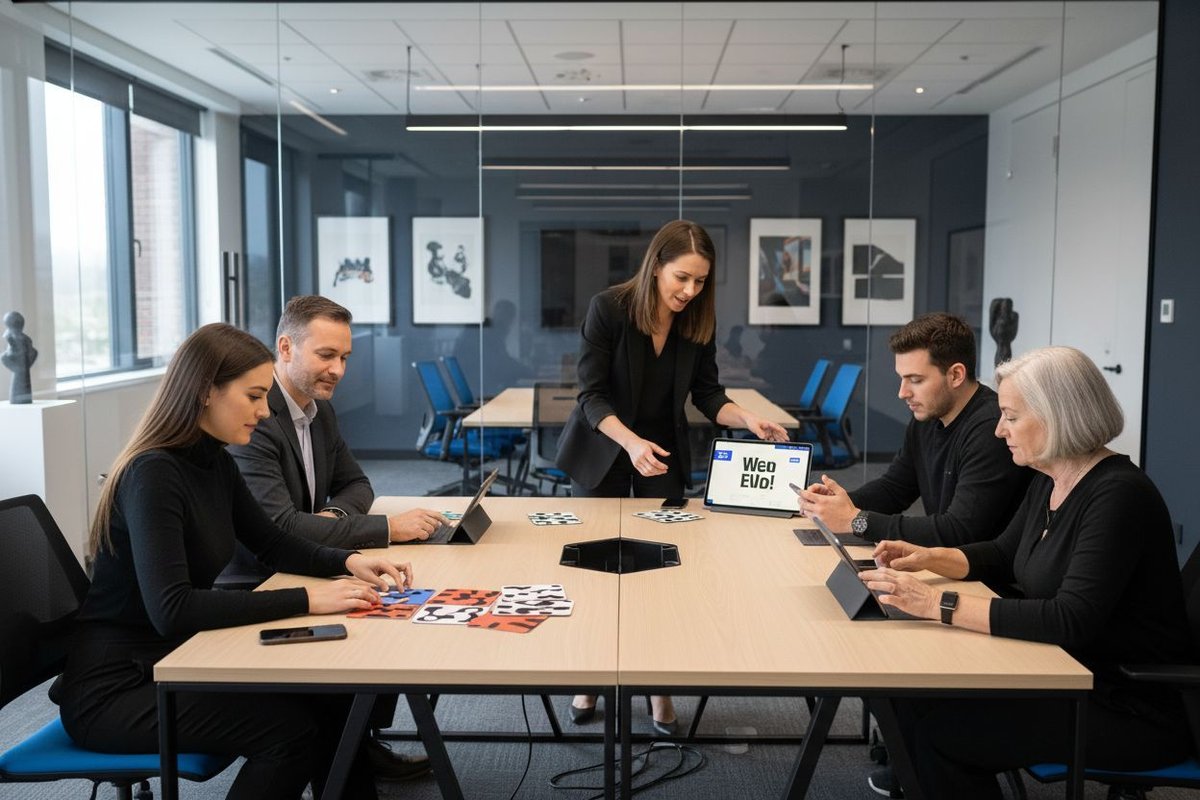
With your customizable themes selected, you are now ready to move into designing specific game mechanics that will transform these themes into interactive team experiences.
Step 3: Design Questions and Rules for Inclusivity
Creating truly inclusive team games requires thoughtful design that goes beyond surface level accessibility. Your goal is to craft an experience where every team member feels empowered and engaged.
According to inclusive team building principles, the key is multidimensional representation and fairness. As research from inclusive design resources indicates, this means avoiding stereotypes and creating multiple pathways to success.
When designing questions and rules, focus on:
- Using plain straightforward language
- Presenting information in multiple formats
- Creating non reflex based game mechanics
- Ensuring diverse winning opportunities
Pro tip: Language matters significantly. Replace complex terminology with clear accessible wording that everyone can understand quickly. Think about how you can explain concepts so that team members with different cognitive backgrounds can participate equally.
Consider developing questions that:
- Draw from varied professional and cultural experiences
- Allow different knowledge types to contribute
- Provide context and background information
- Offer multiple answer formats
Remember that inclusivity is about creating psychological safety. Your game rules should feel welcoming transparent and flexible. Each team member should feel their unique perspective adds genuine value to the experience.
With carefully designed questions and rules in place you are now prepared to transform your inclusive game concept into a dynamic interactive experience that celebrates team diversity.
Step 4: Incorporate Branding and Accessibility Features
This stage transforms your inclusive game from a concept to a professional polished experience that reflects your organization's identity while ensuring everyone can participate comfortably.
Understanding the purpose of customizable branding reveals that visual elements can significantly enhance team engagement and organizational representation. According to inclusive game design research, accessibility goes far beyond aesthetic considerations.
When incorporating branding and accessibility features, prioritize:
- Dyslexia friendly font selections
- High contrast visual designs
- Symbols that complement color information
- Tactile and audio feedback options
- Multiple interaction pathways
Pro tip: Your branding should feel welcoming not restrictive. Think of it as creating a visual language that speaks to all team members regardless of their abilities or backgrounds.
Consider practical implementation strategies like:
- Using organizational color palettes thoughtfully
- Providing alternative text for visual elements
- Creating scalable interface designs
- Offering multiple input methods
Remember that true accessibility means anticipating diverse user needs. Your game should feel intuitive and comfortable for team members with varying physical cognitive and sensory capabilities.
With carefully integrated branding and accessibility features your team game is now ready for the final preparation and implementation stages.
Step 5: Test Gameplay for Engagement and Fairness
Testing your team game is the critical final stage that transforms your design from a concept to a truly inclusive experience. Your goal is to ensure every participant feels engaged challenged and valued.
When exploring game design for effective collaboration, research highlights the importance of comprehensive playtesting. Drawing from HCI research on game matchmaking systems the key is optimizing both fairness and participant satisfaction.
Develop a structured testing approach that includes:
- Diverse participant recruitment
- Systematic feedback collection
- Multiple gameplay scenario evaluations
- Detailed performance metric tracking
- Inclusive design verification
Pro tip: Use the Facts Feelings Findings Future framework during debriefs. This method provides a comprehensive view of participant experiences beyond simple numerical ratings.
When conducting playtests focus on:
- Observing team dynamics
- Measuring genuine engagement levels
- Identifying potential accessibility barriers
- Ensuring balanced participation opportunities
- Collecting qualitative and quantitative feedback
Remember that true inclusivity means continuously adapting. No single test reveals everything. Your first iteration is just the beginning of creating a game that genuinely resonates with all team members.
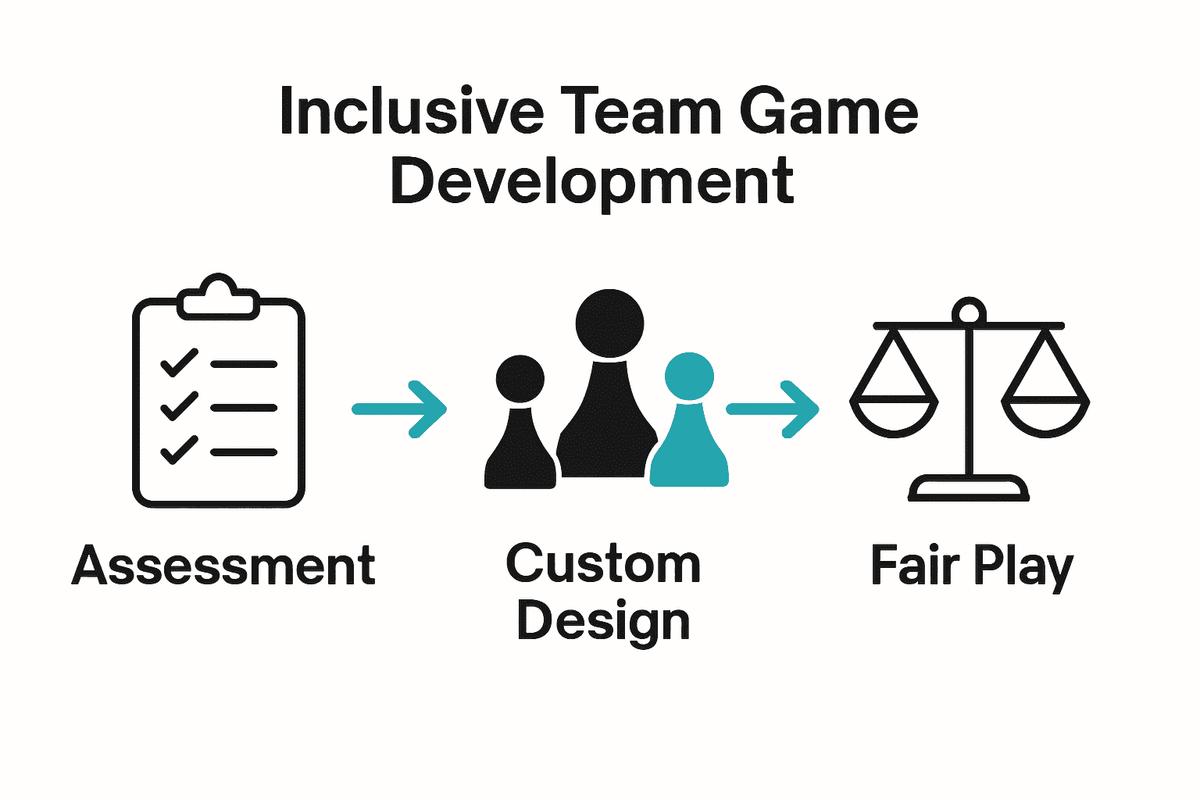
With thorough testing complete you are now ready to launch an inclusive team game that celebrates diversity and promotes meaningful collaboration.
Step 6: Host and Facilitate Interactive Team Sessions
Successful interactive team sessions transform your carefully designed game into a memorable experience that sparks genuine connection and collaboration. Your role as a facilitator is to create an environment where every participant feels welcomed and motivated to engage.
When organizing team building events, technology becomes a powerful ally in promoting inclusive participation. Research highlights the importance of leveraging digital tools that encourage equitable interaction.
Key facilitation strategies include:
- Using anonymous input platforms
- Creating flexible participation options
- Implementing dynamic breakout rooms
- Providing clear instructions
- Maintaining an encouraging atmosphere
Pro tip: Start with a brief icebreaker that allows everyone to contribute equally. This sets a tone of inclusivity and helps participants feel comfortable before the main activity begins.
During the session focus on:
- Reading the room's energy
- Ensuring balanced participation
- Adapting in real time to group dynamics
- Offering gentle guidance without dominating
- Celebrating diverse contributions
Remember that great facilitation is about creating psychological safety. Your goal is not just to run a game but to craft an experience where team members feel valued heard and connected.
With your interactive session complete you have now transformed your inclusive team game from a concept into a powerful tool for building genuine organizational community.
Bring Inclusive Team Games to Life With Quizado
Struggling to turn diverse team needs into real engagement? The article explained how understanding unique preferences and creating adaptable, inclusive game experiences is key for building trust and excitement at work. But designing these interactive games from scratch can be time-consuming and overwhelming. Your team deserves a fun solution that reflects their strengths and ensures everyone is included. Explore our workplace team-building games to effortlessly put these ideas into action.

Build trust, boost energy, and spark collaboration across your organization. With Quizado.com, you get customizable quiz games ready for any team size, branding, and accessibility need. Start now to create memorable moments and bring your team closer—visit Quizado.com and transform your next team session into an experience everyone will love.
Frequently Asked Questions
How can I assess my team's preferences for creating inclusive games?
Begin by conducting a structured survey focused on team dynamics and individual preferences. Include questions about learning styles, energy levels, and accessibility needs to gather comprehensive insights.
What themes should I consider for my inclusive team games?
Choose themes that resonate with your team's interests and professional context, ensuring they allow for various participation options. For example, you might incorporate storytelling challenges to engage different personality types in a collaborative adventure.
How can I ensure the game mechanics are inclusive and engaging?
Design questions and rules using straightforward language and multiple formats, avoiding stereotypes. Focus on creating non reflex-based mechanics that offer diverse winning opportunities, allowing all participants to contribute meaningfully.
What accessibility features should I include in my team game?
Incorporate features like dyslexia-friendly fonts, high-contrast visual designs, and multiple interaction pathways. This ensures that your game is comfortable and intuitive for all participants, accommodating various physical and cognitive needs.
How can I test the game for fairness before the actual event?
Conduct playtests with diverse participants to gather systematic feedback and evaluate gameplay scenarios. Monitor engagement levels and identify any accessibility barriers, aiming to refine the experience before launching it to the entire team.
What strategies can I use to facilitate an inclusive gaming session?
Utilize anonymous input platforms and create flexible participation options during the session. Implement dynamic breakout rooms to encourage equitable interaction, and maintain a welcoming atmosphere to ensure all team members feel valued and engaged.
Run this night with Quizado
Quizado is bar trivia software. Build the rounds, let players join by QR code on their phones, and show live scores on the TV.

Start Hosting Bar Trivia Tonight
Download Quizado free and host your first trivia night tonight!
Trusted by 5,000+ hosts