Understanding Corporate Team Bonding Explained

Corporate team bonding gets a lot of hype as a way to supercharge workplace relationships and drive collaboration. Yet most people overlook just how much it really works. Well-planned team bonding activities can actually boost workplace productivity by up to 25 percent according to MIT research. It sounds like a simple office perk but the science shows it is actually a powerhouse for building trust and unlocking better communication between coworkers.
Table of Contents
- What Is Corporate Team Bonding?
- Why Corporate Team Bonding Matters
- How Corporate Team Bonding Works
- Key Concepts In Corporate Team Bonding
- Real-World Applications Of Team Bonding
Quick Summary
| Takeaway | Explanation |
|---|---|
| Invest in team bonding activities | Structured experiences enhance trust, communication, and collaboration among employees. |
| Prioritize psychological safety | Creating a supportive environment decreases stress and promotes engagement in the workplace. |
| Tailor strategies to your industry | Effective team bonding requires context-specific approaches that meet unique organizational needs. |
| Focus on shared experiences | Foster genuine connections by encouraging non-work-related interactions and mutual respect among team members. |
| Measure performance improvements | Track benefits in productivity and collaboration that arise from intentional team bonding initiatives. |
What is Corporate Team Bonding?
Corporate team bonding represents a strategic organizational approach designed to strengthen interpersonal relationships, enhance communication, and improve collaborative dynamics among employees. At its core, team bonding goes beyond simple social interactions, functioning as a deliberate method to create a more cohesive and supportive workplace environment.
The Conceptual Framework
Team bonding is fundamentally about building trust, mutual understanding, and shared experiences that transcend traditional professional interactions. According to research from MIT Sloan Management Review, successful team bonding activities can increase workplace productivity by up to 25% by improving team cohesion and communication channels.
Key characteristics of effective corporate team bonding include:
- Creating opportunities for genuine, non work-related interactions
- Developing shared experiences that build mutual respect
- Breaking down hierarchical barriers within organizational structures
- Encouraging open communication and collaborative problem solving
Understanding Team Bonding Dynamics
Team bonding activities are carefully designed experiences that help employees connect on a more personal level. These experiences can range from structured workshops to interactive games that challenge teams to work together in novel ways. Learn more about encouraging team collaboration with our guide on team bonding.
The primary goals of corporate team bonding include:
- Improving interpersonal relationships
- Enhancing team communication skills
- Building trust and psychological safety
- Identifying and leveraging individual team member strengths
By investing in structured team bonding experiences, organizations create environments where employees feel more connected, understood, and motivated to collaborate effectively.
This approach transforms workplace interactions from purely transactional to genuinely supportive and engaging professional relationships.
Why Corporate Team Bonding Matters
Corporate team bonding is not merely a peripheral organizational activity but a critical strategic investment in human capital and organizational performance. By prioritizing intentional interpersonal connection, companies can transform their workplace dynamics, driving significant improvements across multiple performance dimensions.
Performance and Productivity Impact
Research from the National Institutes of Health demonstrates that well-structured team bonding initiatives directly correlate with enhanced workplace performance. Organizations that systematically invest in team connection experience measurable benefits in collaboration, communication, and collective problem solving.
Key performance advantages include:
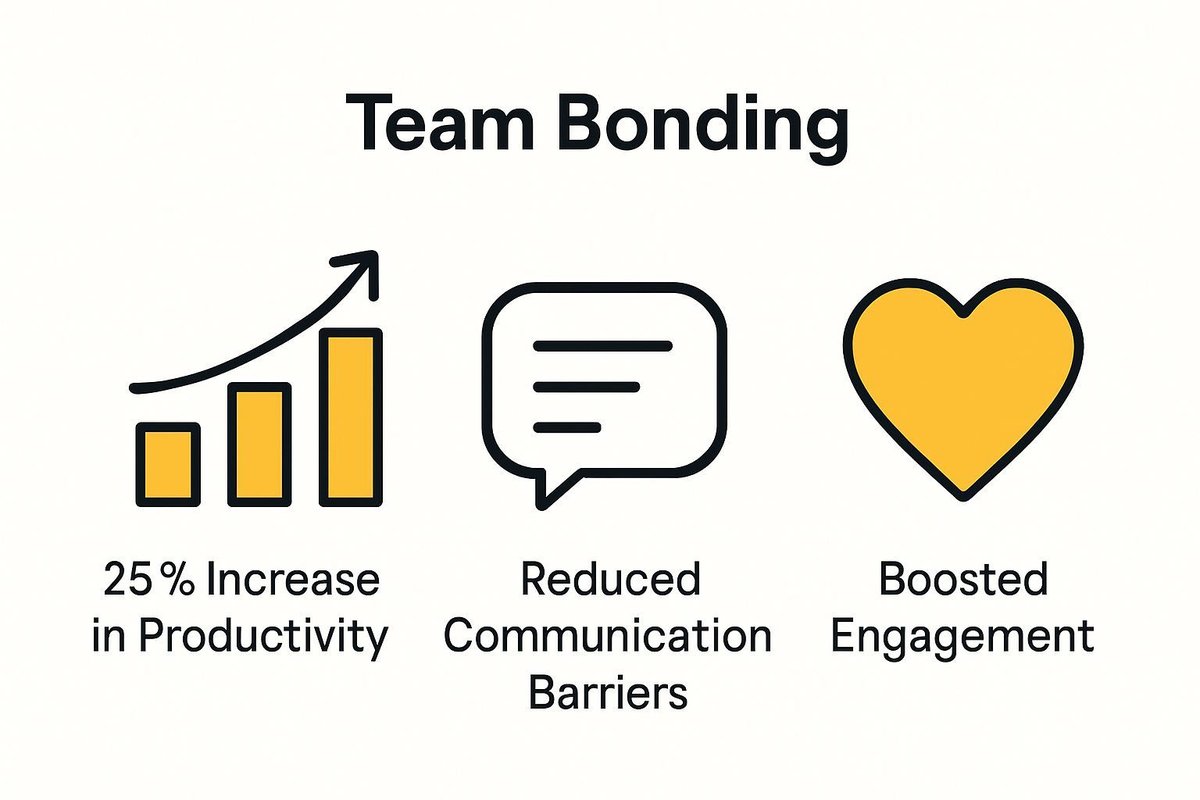
- Accelerated project completion rates
- Reduced interdepartmental communication barriers
- Increased employee engagement and motivation
- Smoother conflict resolution processes
Psychological and Cultural Benefits
Beyond tangible performance metrics, team bonding addresses critical psychological needs within professional environments. Learn more about building team cohesion with our comprehensive guide, which explores the deeper implications of intentional team development.
The psychological benefits of effective team bonding encompass:
- Creating a sense of belonging and psychological safety
- Reducing workplace stress and isolation
- Promoting empathy and mutual understanding
- Developing stronger interpersonal trust networks
Team bonding transforms workplace interactions from transactional exchanges to meaningful collaborative experiences. By recognizing employees as complex individuals with unique strengths and perspectives, organizations can create more resilient, adaptive, and innovative workplace cultures that attract and retain top talent.
Below is a table summarizing key performance and psychological benefits of corporate team bonding as discussed in the article.
| Benefit Category | Description |
|---|---|
| Accelerated Project Completion | Speeds up the rate at which projects are finished due to enhanced cooperation. |
| Reduced Communication Barriers | Breaks down departmental silos, leading to smoother information flow. |
| Increased Engagement | Employees become more motivated and invested in their work. |
| Improved Conflict Resolution | Teams handle disagreements more constructively and efficiently. |
| Sense of Belonging | Fosters psychological safety and makes individuals feel valued in the team. |
| Lower Workplace Stress | Reduces feelings of isolation and promotes healthier work environments. |
| Enhanced Empathy | Teammates develop greater understanding and trust for one another. |
How Corporate Team Bonding Works
Corporate team bonding operates through a strategic combination of psychological principles, interactive experiences, and structured interventions designed to enhance group dynamics and collaborative capabilities. These processes aim to transform individual employees into cohesive, high-performing teams through deliberate and intentional engagement strategies.
Psychological Mechanisms of Team Connection
Research from the American Psychological Association reveals that team bonding functions through carefully designed experiences that challenge participants to interact beyond traditional workplace roles. These experiences create opportunities for employees to develop deeper understanding, trust, and mutual respect through shared challenges and collaborative problem solving.
Key psychological mechanisms include:
- Breaking down hierarchical barriers
- Encouraging vulnerability and authentic communication
- Creating shared emotional experiences
- Developing collective problem solving skills
Activity Design and Implementation
Effective team bonding relies on meticulously crafted activities that balance entertainment with meaningful interpersonal development. Discover strategies for organizing impactful team building events with our comprehensive guide, which provides insights into creating transformative team experiences.
Successful team bonding activities typically incorporate:
- Clear objectives aligned with organizational goals
- Structured challenges that require collaboration
- Opportunities for reflection and group feedback
- Mechanisms for translating insights into workplace practices
These interventions work by creating controlled environments where employees can explore team dynamics, recognize individual strengths, and develop more nuanced communication strategies. By moving beyond traditional training approaches, organizations can foster genuine connections that translate into more resilient, adaptive, and high-performing teams.
Key Concepts in Corporate Team Bonding
Corporate team bonding encompasses a sophisticated array of strategic approaches designed to enhance organizational effectiveness through intentional interpersonal development. Understanding these foundational concepts provides insight into how teams can transform their collaborative potential and create more dynamic workplace environments.
Core Theoretical Foundations
Research from MIT Sloan Management Review highlights that successful team bonding is rooted in complex psychological and social dynamics that extend far beyond simple recreational activities. These approaches are grounded in understanding human interaction, motivation, and collective problem solving mechanisms.
Fundamental theoretical concepts include:
- Social interdependence theory
- Psychological safety principles
- Collective efficacy development
- Group dynamics and interaction patterns
Essential Operational Frameworks
Effective team bonding requires structured frameworks that translate theoretical understanding into practical organizational strategies. Explore detailed insights on promoting effective teamwork with our comprehensive guide, which offers deeper perspectives on implementation techniques.
Key operational frameworks encompass:
- Structured interaction design
- Intentional communication protocols
- Collaborative skill development strategies
- Adaptive team response mechanisms
These concepts represent more than theoretical abstractions they are pragmatic tools for creating workplace environments where individuals can seamlessly transition from independent performers to synchronized, high-performing team members. By recognizing and implementing these sophisticated approaches, organizations can systematically enhance their collaborative capabilities and create more resilient, adaptive professional ecosystems.
This table provides an overview of foundational concepts and operational frameworks essential to successful corporate team bonding.
| Concept/Framework | Explanation |
|---|---|
| Social Interdependence Theory | Understanding how team members rely on and support one another to achieve shared goals. |
| Psychological Safety Principles | Creating environments where individuals feel safe to express ideas and take interpersonal risks. |
| Collective Efficacy Development | Building shared belief among team members in their capability to succeed together. |
| Group Dynamics | Recognizing patterns of interaction and their impact on team performance. |
| Structured Interaction Design | Planning activities to encourage deliberate, effective team communication and cooperation. |
| Collaborative Skill Development | Implementing training to cultivate skills needed for working effectively as a team. |
| Adaptive Team Response | Ensuring teams can adjust quickly and efficiently to changing conditions and challenges. |

Real-World Applications of Team Bonding
Team bonding transcends theoretical frameworks by manifesting in diverse organizational contexts, transforming workplace interactions across multiple professional sectors. By implementing strategic approaches, companies can create meaningful experiences that drive tangible performance improvements and cultural transformation.
Sector-Specific Implementation Strategies
Research from the National Institutes of Health demonstrates how targeted team bonding strategies can dramatically enhance collaborative performance, particularly in high-stakes professional environments like healthcare and emergency services.
Cross-industry applications include:
- Technology companies using hackathons and collaborative problem solving workshops
- Healthcare teams conducting interprofessional simulation training
- Manufacturing organizations implementing cross-departmental skill exchange programs
- Financial services firms developing scenario-based team challenges
Practical Engagement Methods
Explore innovative approaches to team collaboration with our comprehensive teamwork guide, which provides deeper insights into practical implementation techniques.
Effective real-world team bonding methods encompass:
- Interactive digital platforms for remote team engagement
- Structured problem solving challenges
- Immersive experiential learning environments
- Customized communication and trust building workshops
These applications demonstrate that team bonding is not a one-size-fits-all approach but a nuanced, context-specific strategy tailored to unique organizational needs. By understanding and implementing thoughtful, sector-specific interventions, companies can unlock extraordinary collaborative potential and create workplaces characterized by innovation, mutual respect, and collective achievement.
Ready to Turn Team Bonding Ideas Into Real Results?
Building trust, sparking collaboration, and fostering true connection at work can feel overwhelming. As explored in our article, effective corporate team bonding relies on more than just meetings or generic activities. You need experiences that break down barriers, strengthen communication, and help teams truly enjoy working together. Traditional solutions often fall short, leaving managers searching for new ways to energize their people and drive meaningful change.

Meet Quizado: Your Easy Solution for Engaging Team Building If you want to go beyond theory and instantly create a fun, memorable bonding experience, it is time to try the customizable quiz games at quizado.com. With our platform, you can:
- Transform insights from understanding team bonding into interactive play
- Move from discussion to action with real team collaboration through game challenges
- Reinforce your company culture with branded games that work anywhere
Take the next step right now. Discover how easy it is to turn your team into a more connected, high-performing group. Visit quizado.com and start building the workplace culture you—and your team—deserve.
Frequently Asked Questions
What is corporate team bonding?
Corporate team bonding is a strategic approach that aims to strengthen interpersonal relationships, enhance communication, and improve collaboration among employees within an organization.
Why is corporate team bonding important for organizations?
Corporate team bonding is crucial as it leads to increased productivity, improved performance, reduced communication barriers, and higher employee engagement and motivation, contributing to a more cohesive workplace culture.
How does team bonding impact productivity?
Research indicates that effective team bonding initiatives can improve productivity by up to 25% by fostering better team cohesion, communication, and problem-solving abilities among employees.
What types of activities are effective for team bonding?
Effective team bonding activities can include structured workshops, interactive games, collaborative problem-solving challenges, and shared experiences that encourage genuine interactions beyond traditional workplace roles.
Recommended
Run this night with Quizado
Quizado is bar trivia software. Build the rounds, let players join by QR code on their phones, and show live scores on the TV.

Start Hosting Bar Trivia Tonight
Download Quizado free and host your first trivia night tonight!
Trusted by 5,000+ hosts