Understanding the Managers Team Building Guide
Most people think team building is just about icebreakers and awkward activities nobody remembers. Think again. Recent research shows that effective team building can boost workplace productivity by over 25 percent. The real surprise is that the biggest benefits rarely come from the games themselves but from the trust, communication, and connection these activities help build behind the scenes.
Table of Contents
- What Is Team Building And Why Is It Important?
- Key Concepts Of Effective Team Dynamics
- The Role Of Managers In Fostering Team Cohesion
- Common Challenges In Team Building And How To Address Them
- Real-World Examples Of Successful Team-Building Strategies
Quick Summary
| Takeaway | Explanation |
|---|---|
| Invest in team building for enhanced performance | Structured team building improves collaboration and drives productivity by addressing communication barriers and fostering trust among team members. |
| Foster psychological safety for team cohesion | A supportive atmosphere allows individuals to express ideas freely, boosting engagement and collective problem-solving capabilities within the team. |
| Leverage diverse strengths within teams | Recognizing individual talents and promoting their use can significantly enhance team dynamics and operational efficiency in achieving shared goals. |
| Implement strategic leadership practices | Effective managers create clear communication channels and define goals to strengthen team alignment and drive collaborative success. |
| Address interpersonal challenges proactively | Identifying and resolving communication barriers early on can help teams navigate conflicts and maintain high performance levels more effectively. |
What is Team Building and Why is it Important?
Team building represents a strategic organizational approach designed to enhance group dynamics, improve workplace relationships, and maximize collective performance. Unlike casual social interactions, team building involves deliberate, structured activities aimed at developing stronger communication, trust, and collaborative skills among team members.
Defining Team Building Fundamentals
At its core, team building is a comprehensive process that transforms individual employees into a cohesive, high-functioning unit. Research from organizational psychology demonstrates that effective team building interventions can significantly improve problem solving capabilities and overall workplace productivity.
Key characteristics of successful team building include:
- Creating shared goals and mutual understanding
- Developing interpersonal communication skills
- Identifying and leveraging individual team member strengths
- Establishing trust and psychological safety within the group
The Critical Importance of Team Building
Organizations invest in team building because it directly impacts performance and employee engagement. By facilitating meaningful interactions and shared experiences, teams can overcome communication barriers, reduce workplace conflicts, and create a more collaborative environment.
Team building activities help organizations address several critical workplace challenges:
- Breaking down silos between departments
- Improving cross functional communication
- Increasing employee motivation and job satisfaction
- Developing leadership potential within team members
For managers seeking comprehensive strategies, our guide on team building tips provides deeper insights into implementing effective team development approaches.
Key Concepts of Effective Team Dynamics
Team dynamics represent the complex network of interpersonal interactions, behavioral patterns, and psychological processes that shape how teams collaborate, communicate, and achieve collective goals. Understanding these intricate mechanisms is crucial for managers seeking to optimize team performance and organizational effectiveness.
Psychological Foundations of Team Interaction
Research from organizational psychology reveals that successful team dynamics are built upon foundational psychological principles that govern human interaction. These principles include trust, mutual respect, emotional intelligence, and the ability to navigate complex interpersonal relationships.
Key psychological elements that drive effective team dynamics include:
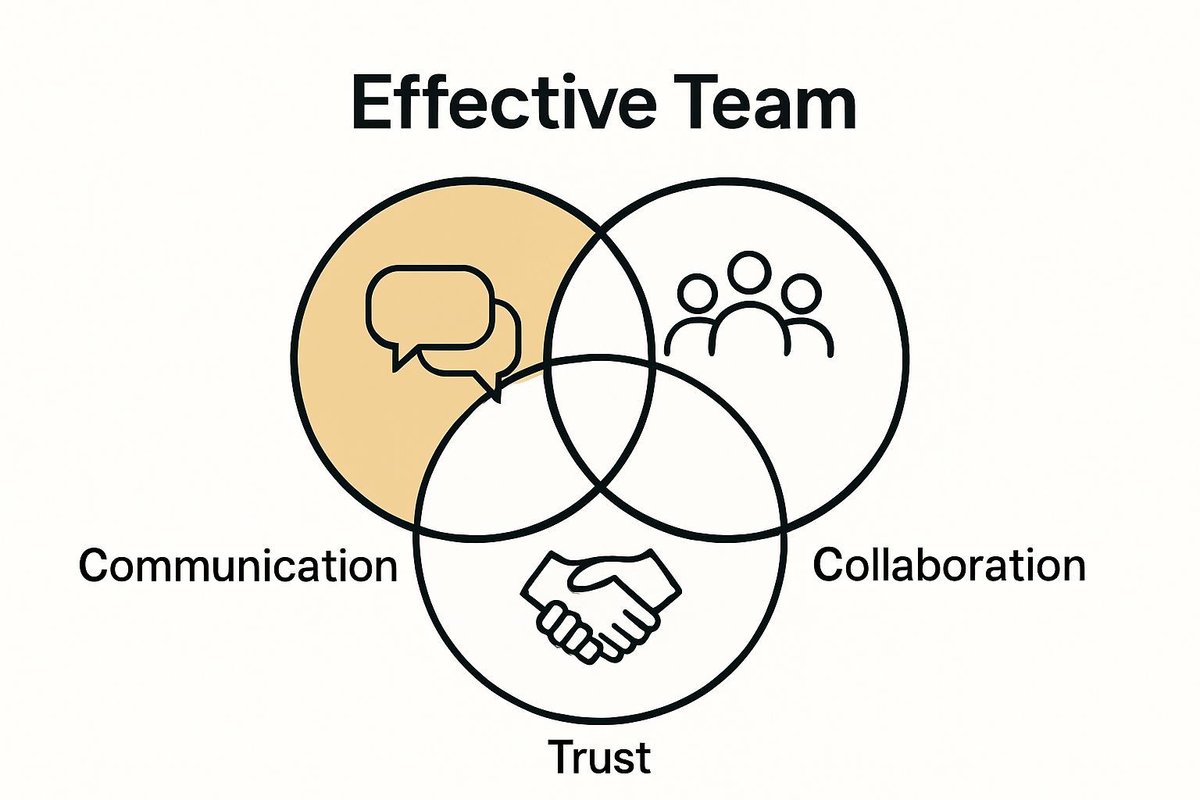
- Establishing psychological safety
- Developing empathetic communication
- Recognizing and managing individual and collective emotional states
- Creating an environment of mutual support and constructive feedback
Structural Components of High Performance Teams
Effective team dynamics are not accidental but deliberately constructed through strategic design and intentional management. Teams that consistently perform at high levels understand the importance of clear roles, shared objectives, and adaptive communication strategies.
Structural components that distinguish high performance teams include:
- Clear and well defined team roles
- Transparent decision making processes
- Mechanisms for continuous learning and improvement
- Flexible leadership approaches that empower team members
Explore our comprehensive guide on team dynamics to gain deeper insights into creating resilient and high performing teams. Understanding these intricate interactions allows managers to transform groups of individuals into cohesive, powerful collaborative units capable of exceptional achievements.
The table below summarizes the primary psychological and structural elements that contribute to effective team dynamics, offering a clear comparison of their respective focus areas and impacts.
| Element Type | Key Elements | Focus | Impact on Team Dynamics |
|---|---|---|---|
| Psychological | Trust, Empathy, Psychological Safety, Emotional Support | Builds personal connections and safety for open expression | Enhances engagement and resilient teamwork |
| Structural | Defined Roles, Decision Processes, Learning Mechanisms, Flexible Leadership | Clarifies responsibilities and enables adaptive collaboration | Boosts consistency, accountability, and growth |
The Role of Managers in Fostering Team Cohesion
Managers serve as critical architects of team dynamics, responsible for creating environments where collaboration, trust, and collective achievement can flourish. Their leadership approach directly influences team performance, motivation, and overall organizational success.
Strategic Leadership and Team Alignment
According to research from the American Psychological Association, effective managers establish team cohesion through deliberate, strategic interventions that go beyond traditional supervision. They create frameworks that enable team members to understand shared objectives, individual roles, and collective potential.
Key strategic leadership approaches include:
- Establishing clear and transparent communication channels
- Defining collective goals that transcend individual responsibilities
- Creating opportunities for meaningful cross team interactions
- Recognizing and celebrating collaborative achievements
Psychological and Emotional Infrastructure
Successful managers understand that team cohesion is not merely about task completion but about creating a psychologically safe environment where team members feel valued, heard, and empowered. This requires emotional intelligence, active listening, and a commitment to understanding individual team member motivations and potential.
Essential psychological support strategies include:
- Promoting open and non judgmental communication
- Providing constructive and balanced feedback
- Supporting individual professional development
- Mediating conflicts with empathy and objectivity
Explore our comprehensive guide on building team cohesion to gain deeper insights into transforming management approaches from transactional to truly transformative leadership. By investing in these nuanced interpersonal strategies, managers can unlock extraordinary team potential and drive sustainable organizational success.

Common Challenges in Team Building and How to Address Them
Team building is a complex process fraught with potential obstacles that can derail collaborative efforts. Recognizing and proactively addressing these challenges is crucial for managers committed to developing high performing teams.
Interpersonal Dynamics and Communication Barriers
Research from organizational psychology highlights that team building challenges often stem from diverse communication styles, underlying personal conflicts, and varying professional expectations. These interpersonal complexities can create significant friction within team environments.
Key communication challenges include:
- Misalignment of communication preferences
- Unresolved historical workplace conflicts
- Differences in cultural and professional backgrounds
- Lack of psychological safety for open dialogue
Overcoming Resistance and Psychological Obstacles
Team building efforts frequently encounter psychological resistance from team members who may be skeptical about collaborative initiatives. This resistance can manifest through passive disengagement, overt criticism, or subtle undermining of team activities.
Strategic approaches to addressing psychological barriers include:
- Creating transparent and inclusive team building processes
- Demonstrating tangible benefits of collaborative work
- Providing individual recognition within team contexts
- Developing personalized engagement strategies
Explore our comprehensive guide on defining team building success to gain deeper insights into navigating the complex landscape of team dynamics. By understanding these challenges, managers can design more effective, nuanced approaches that transform potential obstacles into opportunities for genuine team growth and collaboration.
This table organizes the most common team building challenges managers face along with practical, research-backed strategies for addressing each, as discussed in the article.
| Challenge | Description | Strategy to Address |
|---|---|---|
| Communication Misalignment | Differences in communication styles and preferences | Develop shared communication plans and encourage adaptability |
| Unresolved Workplace Conflict | Lingering interpersonal or historical team issues | Tackle conflicts directly with empathetic mediation |
| Cultural and Professional Diversity | Varying backgrounds create misunderstanding or friction | Foster inclusion and recognize strengths of diverse members |
| Psychological Safety Lacking | Team members hesitant to speak up or share ideas | Promote open, non-judgmental dialogue |
| Skepticism or Resistance | Passive disengagement or criticism towards team building efforts | Demonstrate tangible benefits and personalize engagement |
Real-World Examples of Successful Team-Building Strategies
Successful team building transcends theoretical concepts, manifesting through practical, innovative strategies that transform workplace dynamics and drive organizational performance. These real world examples demonstrate how thoughtful, strategic approaches can revolutionize team collaboration and productivity.
Collaborative Problem Solving Approaches
Research from organizational behavioral studies reveals that teams achieving exceptional results utilize structured problem solving methodologies that encourage collective intelligence and diverse perspective integration. Companies like Google have pioneered approaches that prioritize psychological safety and inclusive decision making.
Key collaborative problem solving strategies include:
- Creating cross functional project teams
- Implementing rotation based learning experiences
- Developing transparent decision making protocols
- Encouraging multidisciplinary knowledge sharing
Innovative Team Engagement Techniques
Modern organizations are moving beyond traditional team building activities, designing experiences that genuinely connect team members and unlock collective potential. These innovative approaches focus on creating meaningful interactions that transcend surface level engagement.
Successful engagement techniques demonstrate:
- Personalized skill development opportunities
- Gamified collaboration platforms
- Purpose driven team challenges
- Reciprocal mentorship programs
Learn more about effective ways to promote teamwork and discover how cutting edge organizations are reimagining team dynamics. By studying these real world examples, managers can develop nuanced, adaptive strategies that transform team potential into extraordinary collective achievement.
Transform Your Team Building Strategy into Lasting Success
Are you a manager who struggles to break communication barriers or build genuine team cohesion? After reading our guide on team dynamics and the critical role of managers, you already know that traditional team-building activities might not spark real engagement or collaboration. Many leaders face the challenge of creating environments where trust, participation, and shared goals thrive. If you want to move beyond surface-level activities and foster deep collaboration, it is time to try something new.

Elevate your strategy using interactive experiences inspired by beloved game shows. With quizado.com, you can create fully customized quiz games that unite your team, promote real-time problem-solving, and reinforce company culture — all in a fun and professional setting. Empower your remote or in-person teams with seamless tech, team configuration, and branded experiences. Do not just read about effective team building. Experience it today by visiting quizado.com and unlock a smarter way to spark motivation, foster engagement, and build the trust your team needs now.
Frequently Asked Questions
What are the best strategies for building team cohesion as a manager?
Building team cohesion involves establishing clear communication channels, defining collective goals, and fostering a culture of recognition. Start by scheduling regular team meetings to ensure everyone understands their roles and responsibilities, and encourage open dialogue.
How can I create a psychologically safe environment for my team?
To create a psychologically safe environment, promote open and non-judgmental communication among team members. Implement regular feedback sessions where everyone can express their thoughts and feelings without fear of retribution, reinforcing trust within the team.
What role does emotional intelligence play in team building?
Emotional intelligence is crucial for team building as it enables managers to understand and manage their own emotions as well as those of their team members. Foster emotional intelligence by conducting workshops or training sessions focused on empathy and interpersonal skills.
How can I address communication barriers within my team?
Address communication barriers by identifying the diverse communication styles and preferences of your team members. Create a shared communication plan that outlines expectations and encourages adaptability, aiming to reduce misunderstandings by at least 30%.
What are some effective team building activities I can implement?
Effective team building activities include collaborative problem-solving workshops, role-playing scenarios, and cross-functional team projects. Start by organizing a monthly team-building exercise that encourages participants to work together towards a common goal, ensuring everyone feels included.
How do I measure the success of my team building efforts?
Measuring the success of team building efforts can be done through employee feedback surveys and performance metrics. Implement a quarterly review process that assesses the effectiveness of team collaboration and communication, aiming for a minimum increase in overall team satisfaction by 15%.
Recommended
Run this night with Quizado
Quizado is bar trivia software. Build the rounds, let players join by QR code on their phones, and show live scores on the TV.

Start Hosting Bar Trivia Tonight
Download Quizado free and host your first trivia night tonight!
Trusted by 5,000+ hosts